RECAST shows the value of existing buildings in relation to climate impact, affordability and social value for the environment.
RECAST offers an affordable strategy to renovate the current building stock in a sustainable way.
RECAST opens a new, attractive and sometimes unexpected future perspective for depreciated buildings.
Renovation is a spectrum
Not all renovations are the same. The level of renovation depends on the condition of the building and its potential future use. To determine the most suitable renovation for your building, we assess its condition, spatial layout and structure. On this basis, we explore the various possible uses. By maximising reuse, we not only reduce the carbon footprint, but also speed up the permitting process, reduce vacancy and minimise financing risks.
Finishes
Techniques
Façade
Structure
Foundation
Through a matchmaking process, the building seeks a preferred user.
We start by examining the current state of the building. While this is being mapped, different spatial scenarios are tested.
Minimum scenario. Specific adaptations are made to bring the building up to current standards in terms of energy consumption and comfort.
Medium scenario. The interiors and technical installations are completely renewed. Targeted interventions on the façade to improve the perception of the building.
Maximum scenario. The building is stripped down to its structure, given a completely new façade and interior, and equipped with new techniques.
By comparing the various scenarios, we present the most interesting proposal for each specific building.
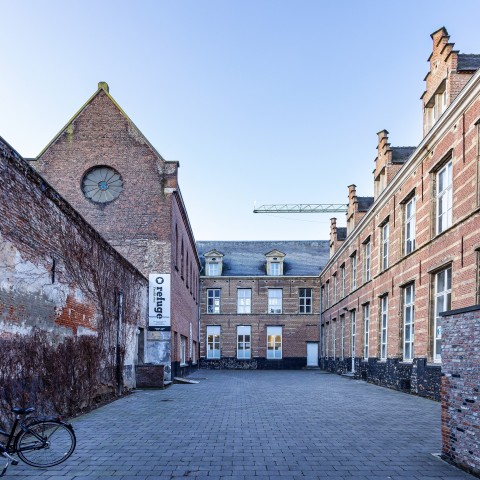
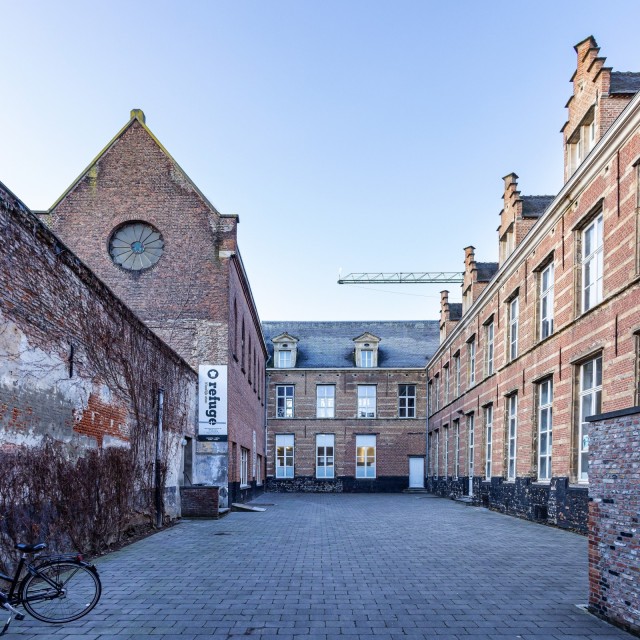
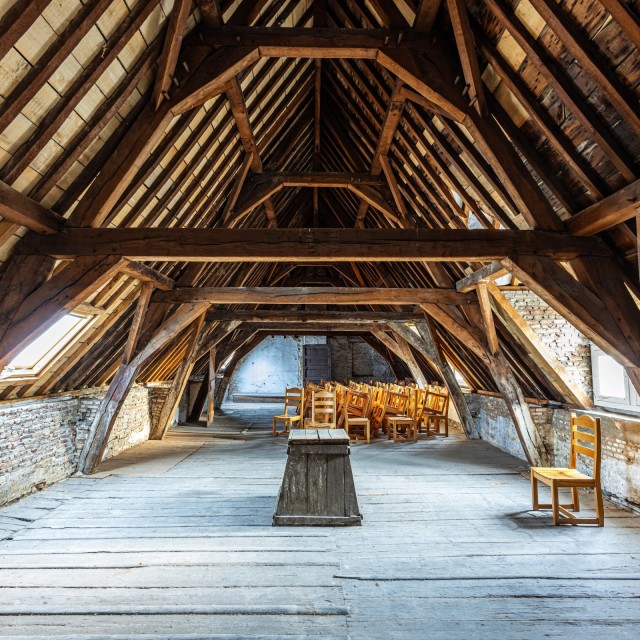
The former religious complex in Mechelen, consisting of a gatehouse, the historic refuge with chapel, and various outbuildings, is being repurposed as a multifunctional site. The existing heritage structure is carefully restored based on targeted research and integrated with new construction to meet contemporary functional requirements. The site will accommodate community activities, including youth programs and facilities for a choir, complemented by office spaces and other public functions.
Special attention was given to the existing structure and the usability of the building during the redevelopment. Specific provisions, such as underground storage spaces for musical instruments, required extra focus during the design process. At the same time, the insulation value of the existing building was improved to achieve energy-efficient heating demands.
The result is a future-proof site where public and community functions are balanced, with a harmonious integration of living and working spaces.
RECAST partner: M-gineers
Architects: bold architecten and Patine Architecten
Photos: © Dirk Leemans
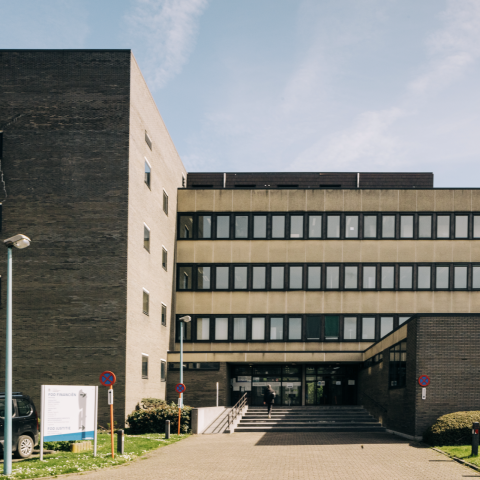
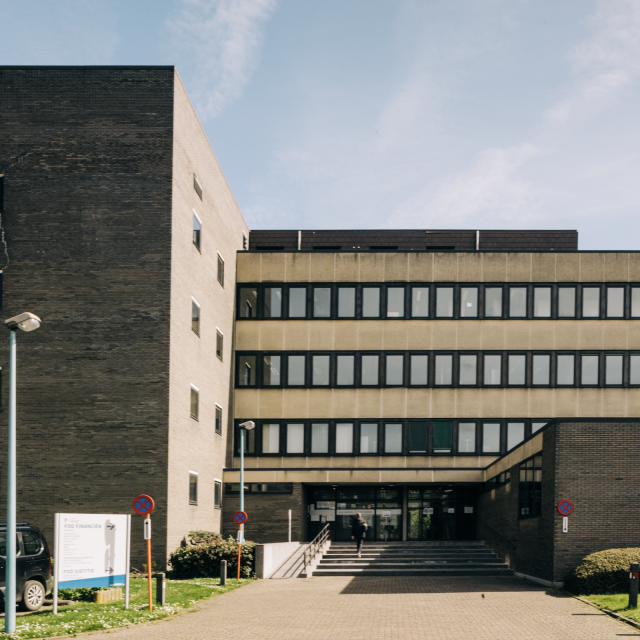
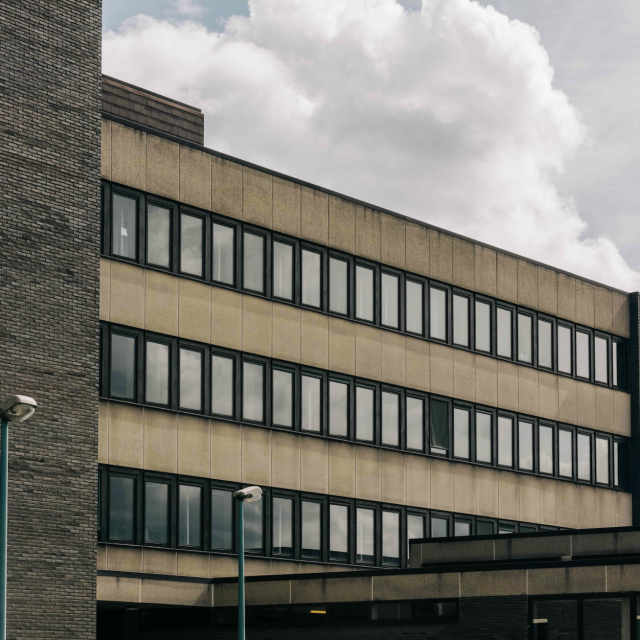
CNTR Halle is part of a portfolio of 22 buildings originally built for the department of Finance and Justice. Built in the 1980s, CNTR Halle was in need of a thorough renovation to make the building energetically performant and in line with current standards for comfort, accessibility and security.
Only limited interventions were made on the building envelope. The joinery was replaced and the façade elements were re-insulated wherever possible. Since the building was already insulated, albeit to a limited extent, it was decided to retain the facade.
Inside, the building did undergo a visible transformation. The techniques were replaced. Ventilation and cooling through cooling ceilings were added. A heat pump, in a first phase in hybrid with the existing gas boiler, provides the heat and cold production. This combined with solar panels on the roof ensure that operational CO2 emissions are drastically reduced.
RECAST partner: 51N4E, M-gineers
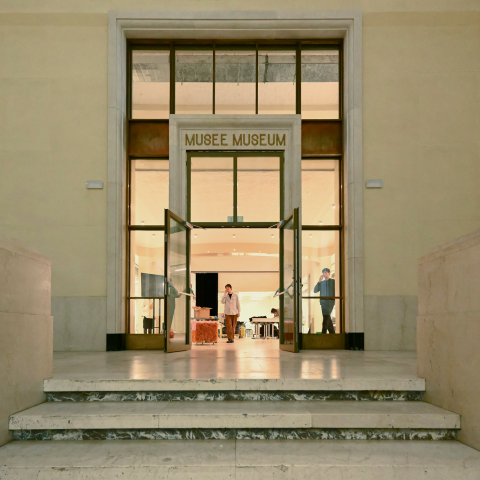
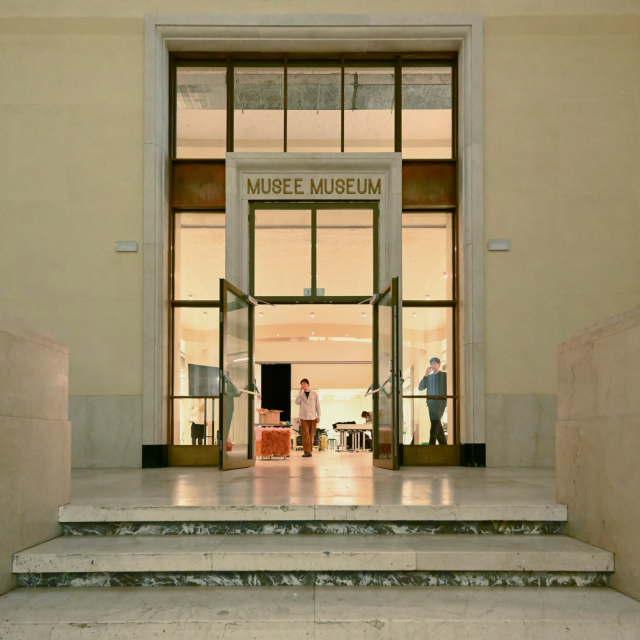
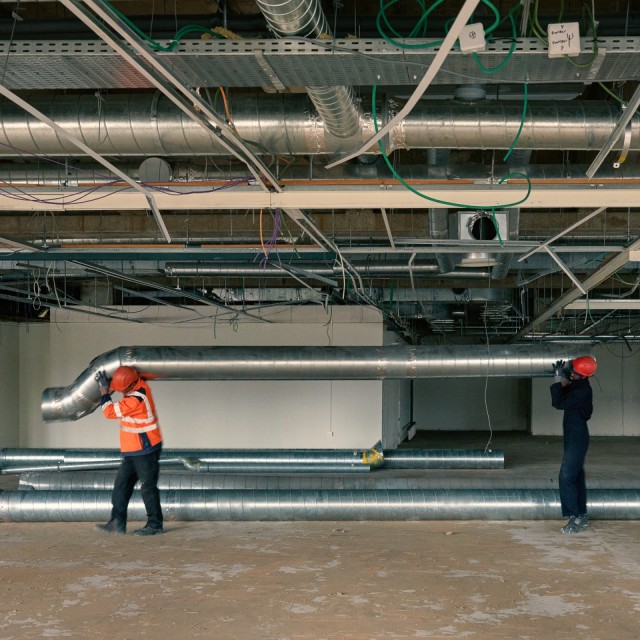
The reconversion of the former Train Museum in ‘Track’ plays a key role in the transformation of the northern district, promoting a diverse approach and encouraging a relationship with adjacent neighborhoods and the station’s environment. As a cultural incubator and debating space, it centralizes discussions about the city’s evolution, while reflecting these changes in its public agenda.
The museum venue underwent a comprehensive reconfiguration to align with new usage requirements. From a technical point of view, this translated into an infrastructural network layer as a core intervention of the renovation: a technical installation beneath the ceiling, hosting ventilation, electricity, internet data, heating which is conceived to adapt to multiple uses over time.
The materials that define such infrastructure were sourced from existing buildings, defined in this narrative as ‘mines’: buildings in the process of being demolished or renovated became sources for this assemblage. Their value was derived from salvaging items on the brink of being discarded, as the recuperation of technical elements is normally proved impractical or simply not worth financially. These were found in different office buildings in Brussels: the heatings were carved from Espace Beaulieu, in Auderghem, the cable trays from Centre Monnaie, Brussels center, the Ventilation ducts from CCN, Schabreek; The project also involved repurposing a diverse array of furniture - such as kitchens, chairs, tables, light fixtures; and materials—tiles, wood, glass panels, doors. The disassembly and collection of these items were overseen by our team, and collaborations were formed with specialized partners in material re-use, including Batiterre, Cornemat, and Rotor, to name a few.
Such process made it necessary to re-think the standard phases of design and construction, whose precise sequencing could not apply to the project. Design and construction organically merged, resulting in an iterative process where decisions continually evolved based on inventory lists, prototypes, discoveries, and changing availabilities of materials and workforce. The project dynamically adapted to available resources, or adapted available materials to necessities or uses, defining a two fold meaning to re-use and contextualization.
RECAST partner: 51N4E, M-gineers
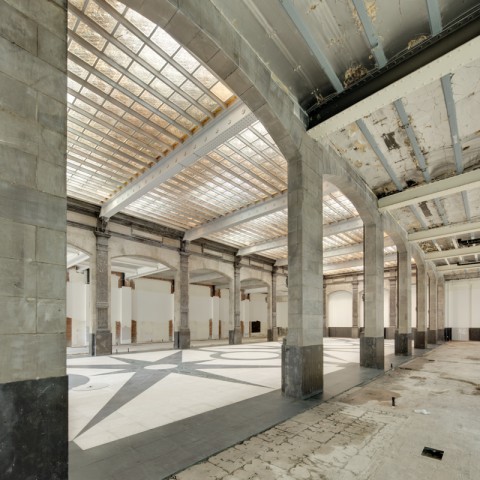
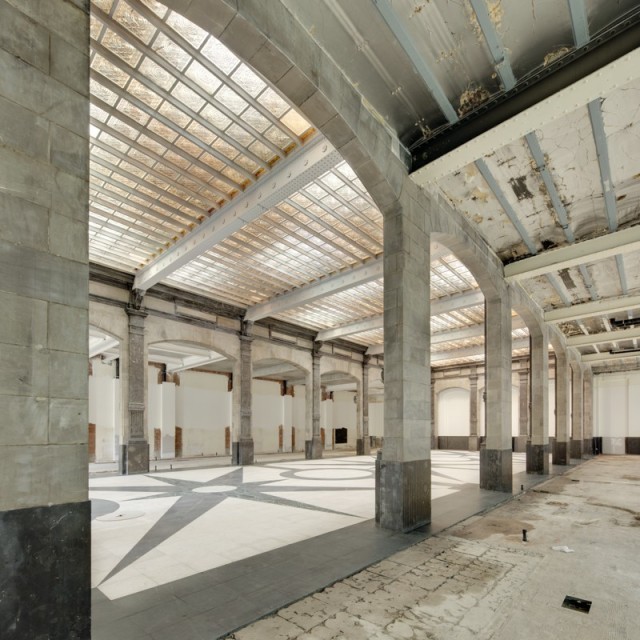
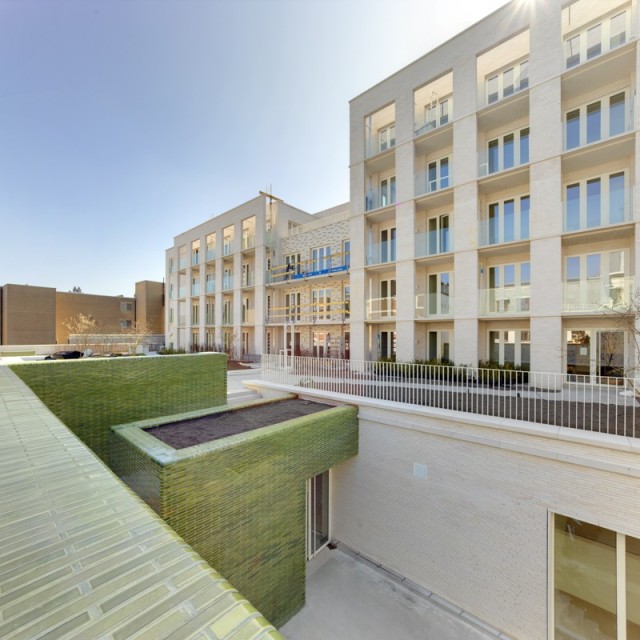
The monumental old post office from 1878 was repurposed into a mix of apartments, offices, hospitality, and commercial spaces. The project involved both the renovation of the protected building and the addition of a new section.
The historic counter halls and the underground structure (partially above historic underground canals!) were preserved, highlighting the unique history of the location. New above-ground volumes were added at the rear, harmonizing with the existing architecture. The surroundings were also greened with a lavishly landscaped rooftop garden.
Individual systems were integrated to ensure modern living comfort, with flexibility and efficiency in use.
RECAST partner: M-gineers
Architects: bold architecten and Patine Architecten
Photos: © Bart Gosselin
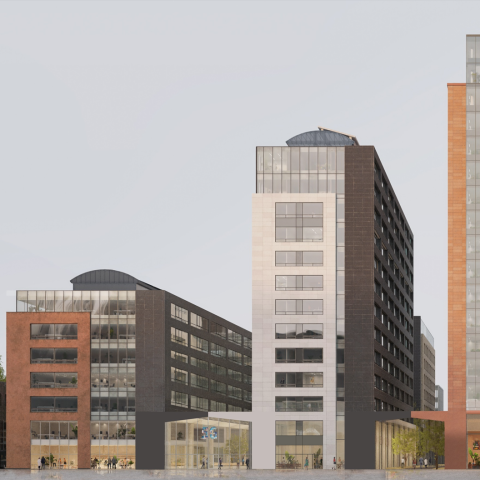
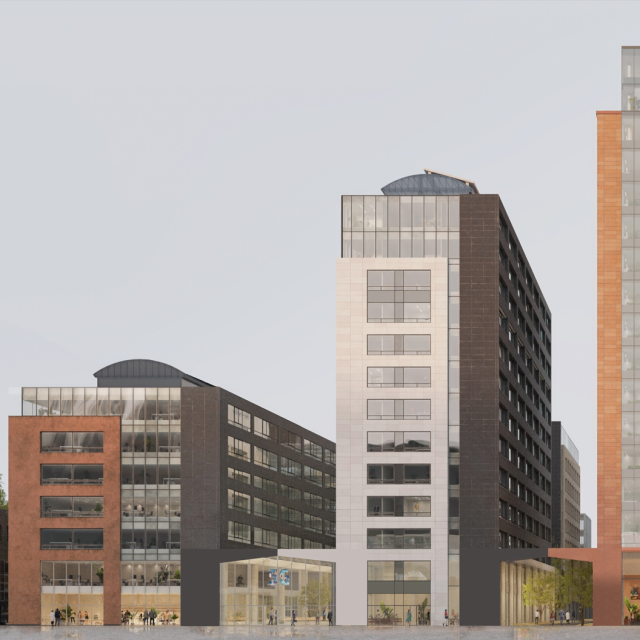
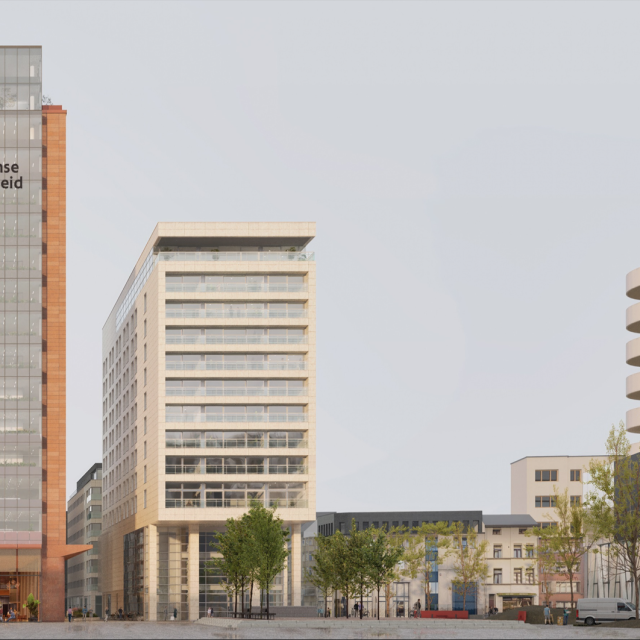
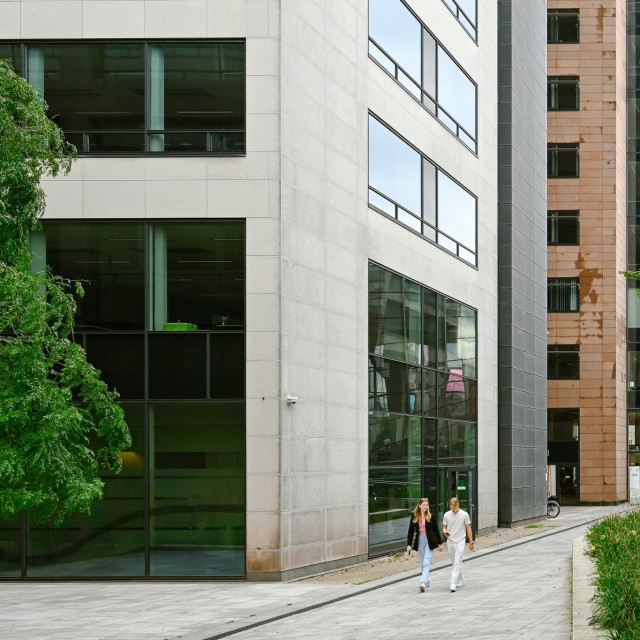
The project in Kievit is the activation and (energetic) renovation of a series of young buildings (2004 - 2006) at Antwerp Central Station. Today, the ground floor spaces, both within and between the buildings, lack residential quality and public purpose. Together with the users on the site and the owner, a master plan was designed to gradually renew both the plinths of the buildings and the open space into a transparent and active plinth.
The office buildings will receive a parallel retrofit to optimize comfort and energy consumption. This is a light renovation, with 95% of the facades and structure retained. Only windows will be replaced to allow natural ventilation and structure demolished to create openness and spaciousness.
The site’s current cooling system will be retained as it works very optimally. Due to the presence of a large number of servers on the site, 90% of the offices’ heat demand can be met by their residual heat. The remainder is provided by air-water heat pumps. The existing air groups will be overhauled and the ventilation in the offices will be demand-controlled via CO2 detection. The addition of PV panels and the switch to LED lighting together with the above will reduce the operational energy consumption by 63%.
RECAST partner: 51N4E
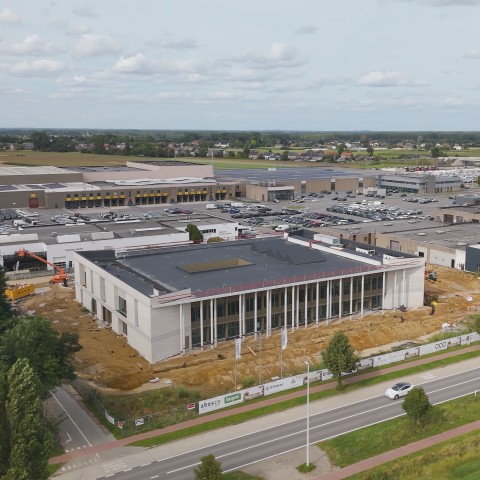
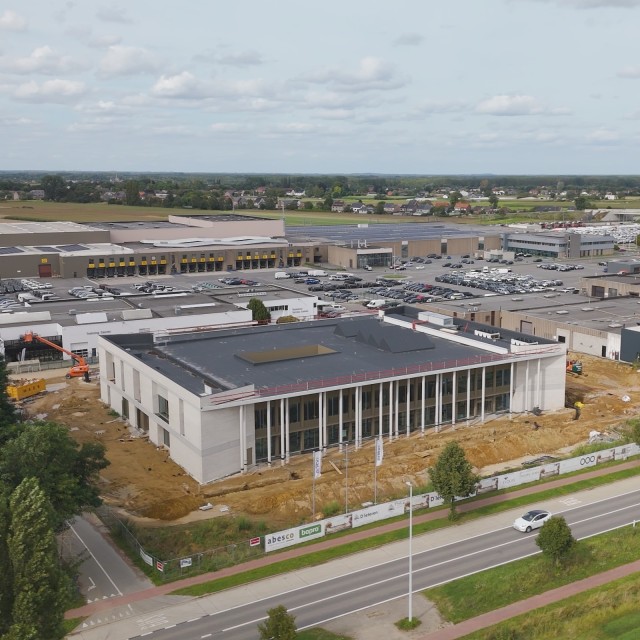
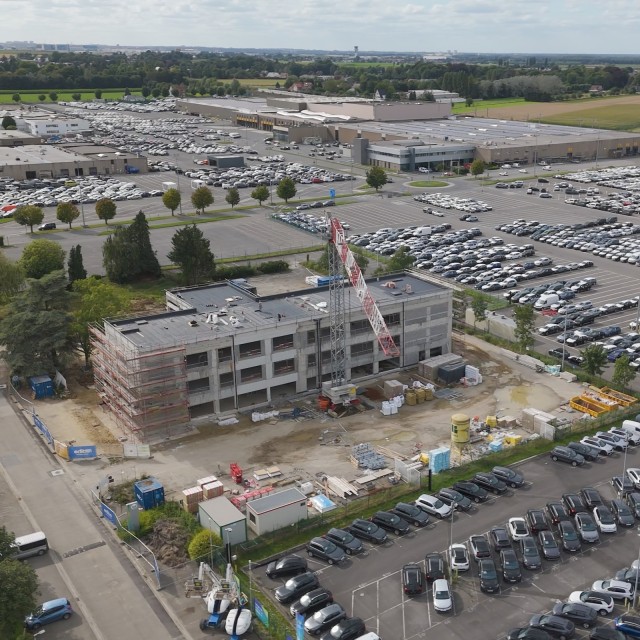
The site in Kortenberg is undergoing a major transformation. Approximately 28,000 m² of the buildings are being transformed within the sustainability objectives of D’Ieteren.
Through an integrated feasibility study with architects and sustainability partners, the altered program requirements were optimally aligned with the existing property. This results in a mix of light and heavy renovation projects, along with new construction, combined with a renewed focus on sustainable energy solutions for the site. Each building was approached in a specific way: from preservation and transformation to expansion and replacement where necessary.
Our structural engineers provided a tailored approach for the existing structures of each building: some were preserved, others replaced with low-carbon alternatives, and some were expanded.
The building envelopes were renewed to meet modern standards for heat loss and daylight penetration, contributing to energy efficiency and comfort.
All technical systems were optimized with a focus on fossil-free goals and aligned with the opportunities within the site. This creates a forward-looking and energy-efficient infrastructure.
RECAST partner: M-gineers
Architect: POLO
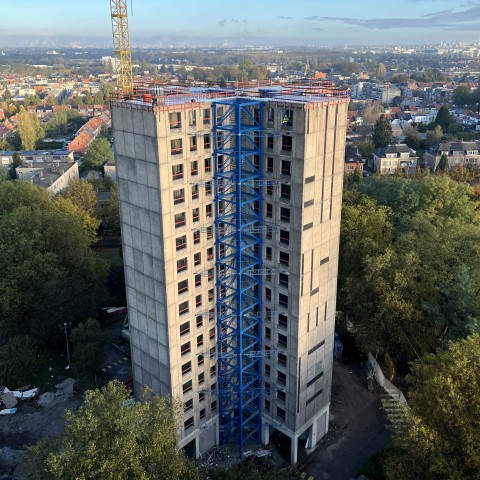
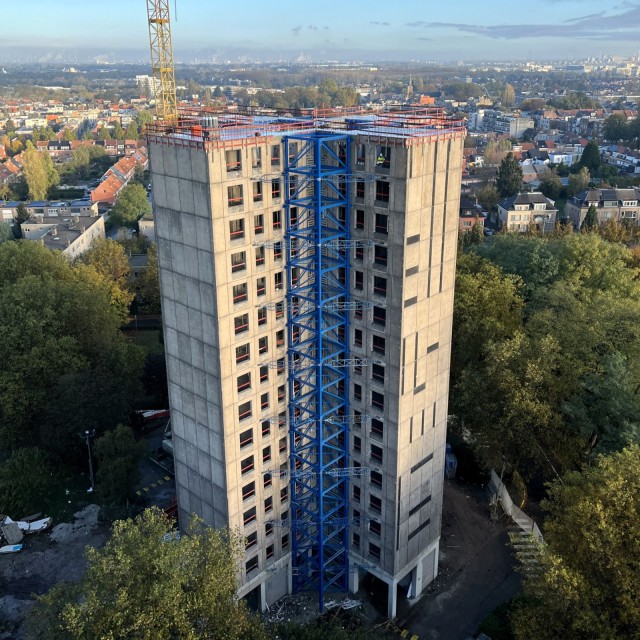
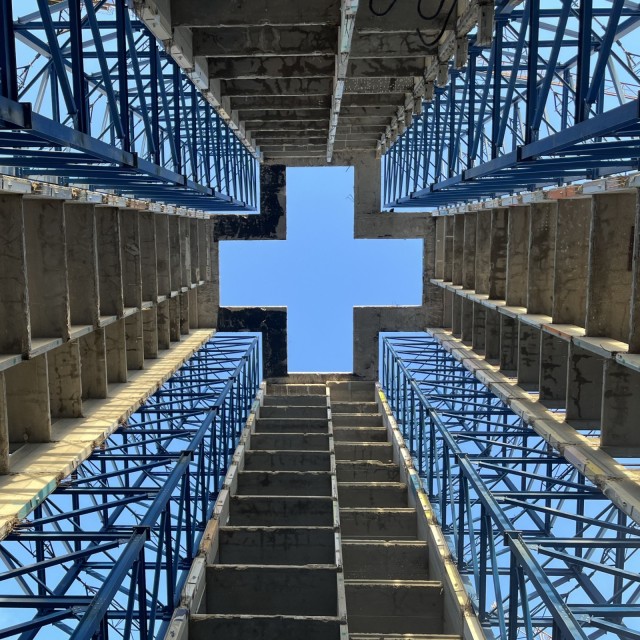
To meet modern safety and comfort standards, a thorough renovation of the nine residential towers, built in the 1960s, was necessary.
The towers will retain their function as social housing, with a focus on high-quality and sustainable renewal. The internal layout has been completely redesigned to meet contemporary living standards.
Initially, the plan was to gradually adjust the structure, floor by floor. In collaboration with the contractor, a faster solution was developed: an external bracing of the structure combined with a clean-cut approach at the core.
The structural envelope remains intact but is improved with new insulation and modern cladding to meet current standards. New sustainable systems were integrated, aligned with the redesigned layout.
RECAST partner: M-gineers
Architects: ARVS and A2D
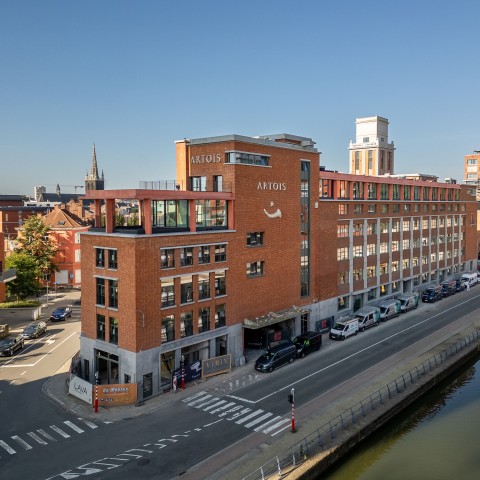
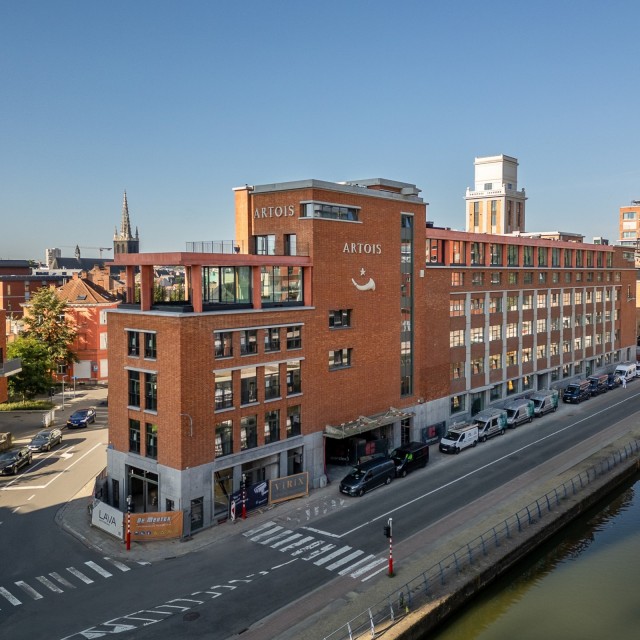
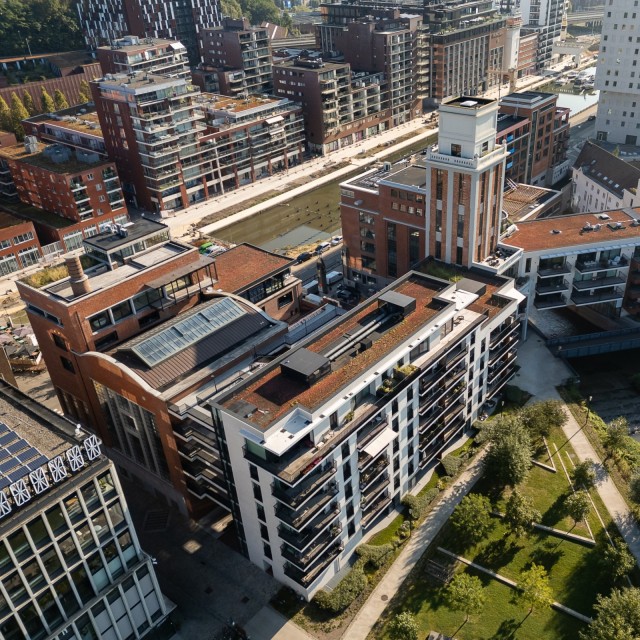
The DijleDelta project involves the repurposing of the former Artois brewery site into a new urban district. On this site, the projects Havenzicht, De Stokerij, Parkzicht, Dijlezicht, Horenblazer, and De Watertoren were developed, resulting in a mix of residential forms, retail and hospitality, studios, and offices.
The Havenzicht project transforms an industrial building into a functional mix of residential and office spaces, tailored to contemporary needs.
The appearance and design of the rooftop extension (two levels) on the lower parts of the building were aligned with the existing facades. These were fitted with interior insulation due to the status of the building as a protected cityscape, in order to meet current insulation standards. This ensures the industrial character of the canal-side environment is preserved.
The former industrial spaces have been reconfigured into offices and residences, with a clear distinction between the different functions.
The office is heated and cooled using an air-to-air multi-split system. No large heating plant, air ducts, or PV panels are required, keeping the technical installations simple and discreet.
RECAST partner: M-gineers
Architects: LAVA Architecten - Robbrecht en Daem Architecten
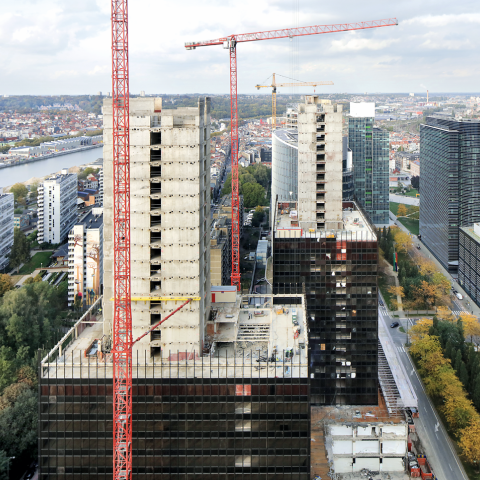
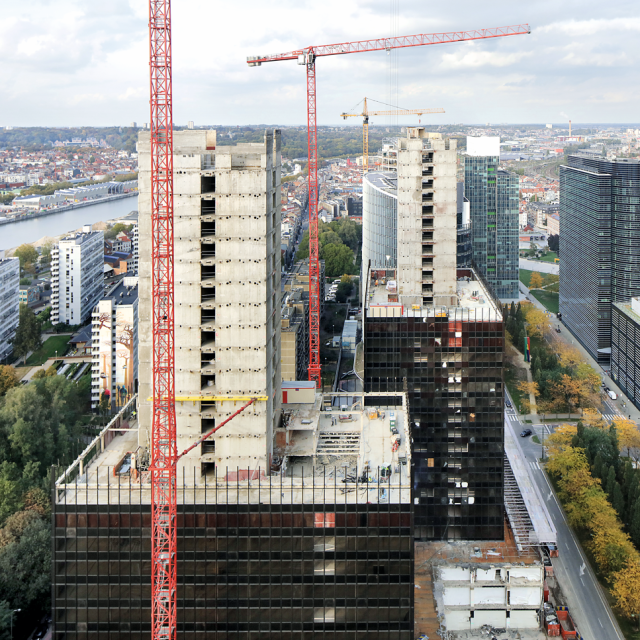
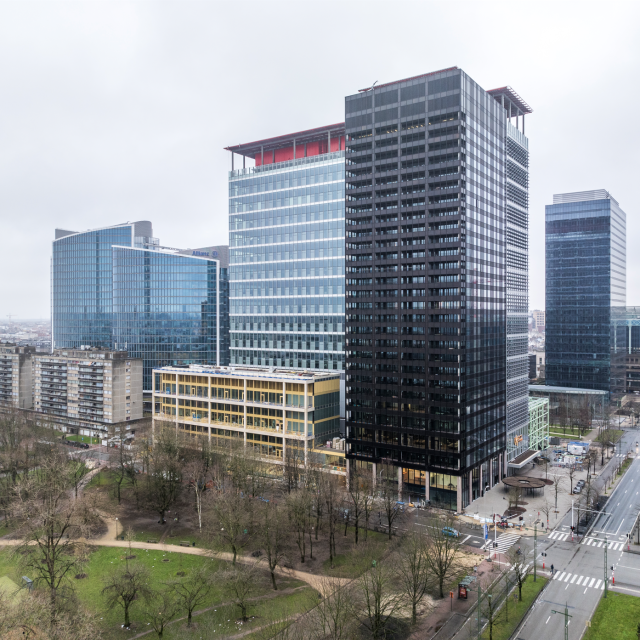
ZIN is the reconversion of the former WTC I & II towers in the North Quarter in Brussels into a hybrid building intertwining offices, flats, hotel and public functions.
The project preserves the existing circulation cores of the two towers, the five underground floors, and the foundations from 1973-74. More than 60% of the building’s existing weight is retained on-site. Building on this, the a new above-ground concrete structure was designed. The design optimizes the former floor areas around the cores on the one hand (fewer second daylight zones and addition of terraces) and adds a new volume of double-height storeys as a link between the two cores on the other.
The building features an open geothermal heat and cold exchange system and maximum PV integration on the roofs and facades. The various functions exchange their energy surpluses with each other. Together with a thorough building physics design and the use of low-consumption appliances, this results in minimal energy consumption.
RECAST partner: 51N4E, Greisch
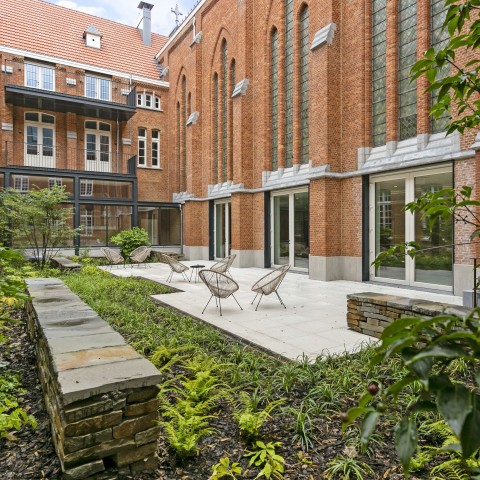
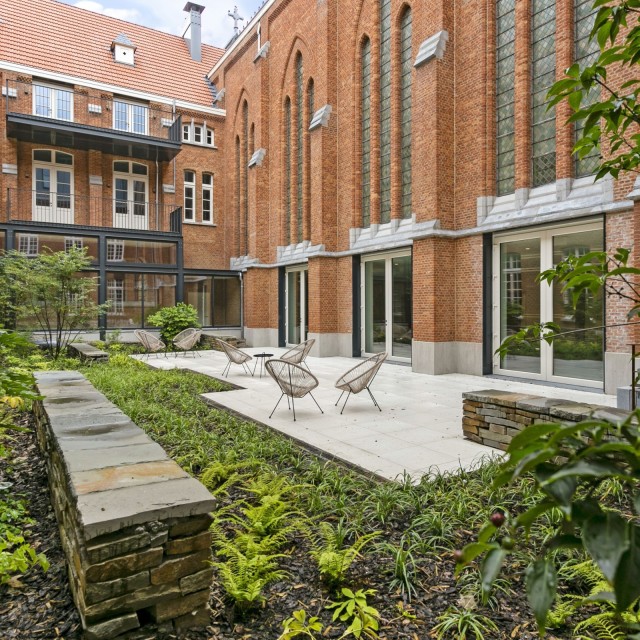
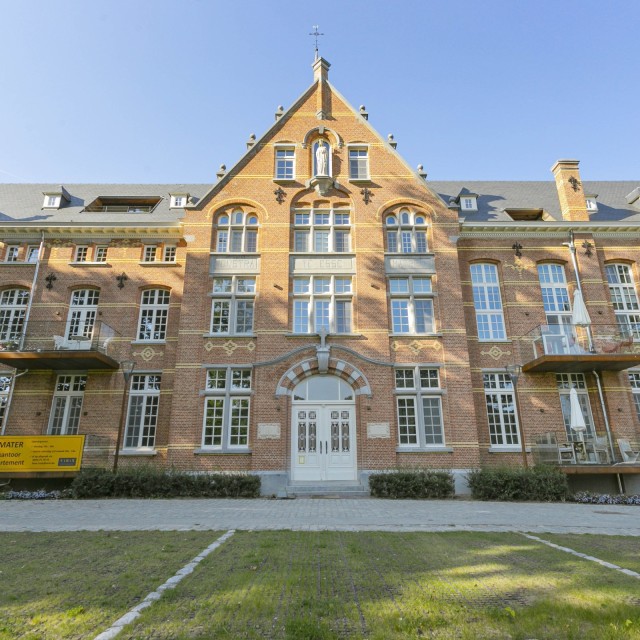
The religious and administrative center of Salver Mater made way for a mixed-use project where living, working, and leisure spaces coexist. The church itself was converted into a swimming pool, wellness area, and fitness center, along with a large multipurpose hall. The site has retained its character, while the comfort and detailing now meet contemporary expectations.
The supporting exterior walls were preserved, while the floors were renovated to improve stability and functionality. Given the protected village landscape, interior insulation was chosen, ensuring that the historical character of the exterior remains intact. The new layout seamlessly aligns with the building’s specific structural bays, respecting the original architecture.
Compact heating plants and combined installations have been carefully integrated and tailored to the architectural requirements, making it ideal for a heritage building. All park apartments comply with low-energy standards for significant energy renovations.
RECAST partner: M-gineers
Architect: a33 architecten
Photos: © ViRiX
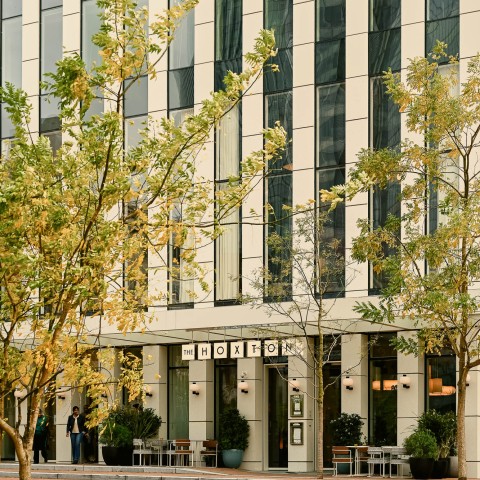
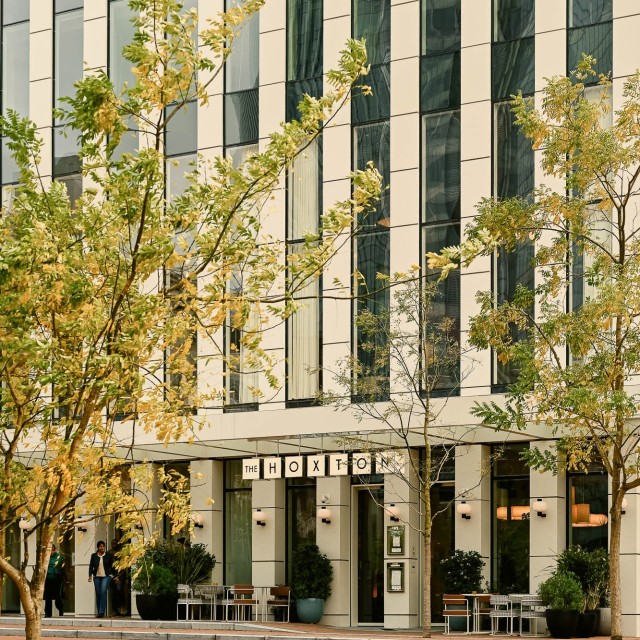
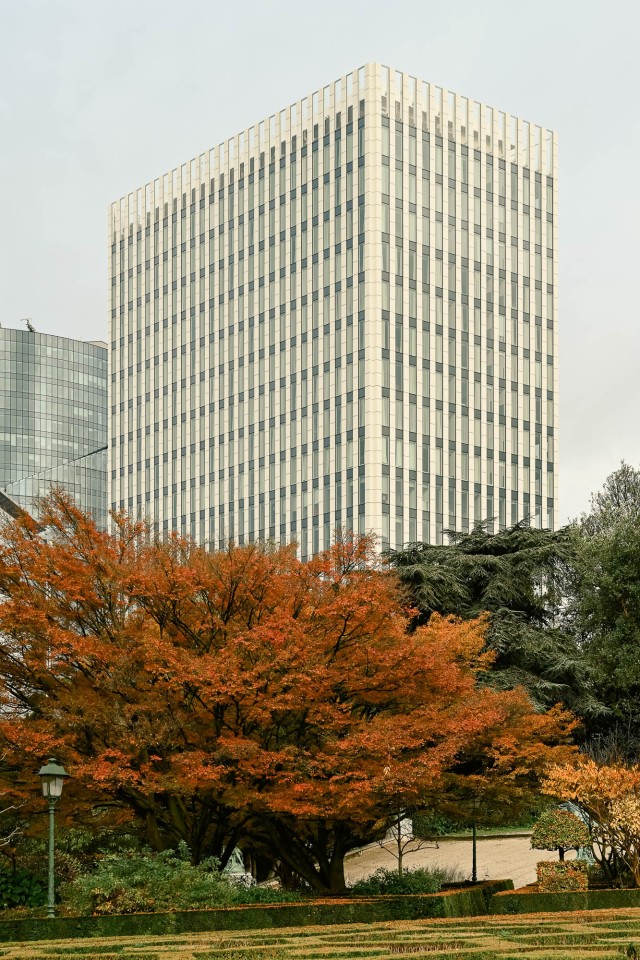
Victoria is an iconic building built between 1974 and 1978 as IBM’s Belgian headquarters in Brussels. The project transforms the monofunctional office building into a multifunctional building with offices, coworking space, a hotel and two restaurants. In addition, the new facade allows for a different composition of the building program over time.
The structure of the building is integrally preserved, with the exception of demolishing the convector boxes on the facade and breaking open the structure on the first floor.
The façade design retains the emblematic vertical design with white and glass strips, but optimizes daylighting, thermal insulation and the possibility of integrating openings. The reuse of the metal façade panels was explored, but after investigation, it was found that the de-coating process was more polluting than applying new panels.
RECAST partner: 51N4E
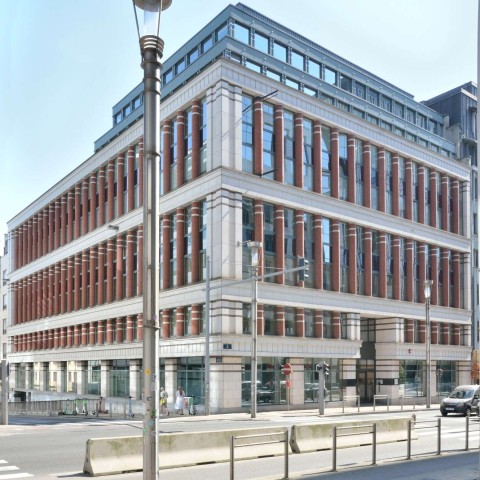
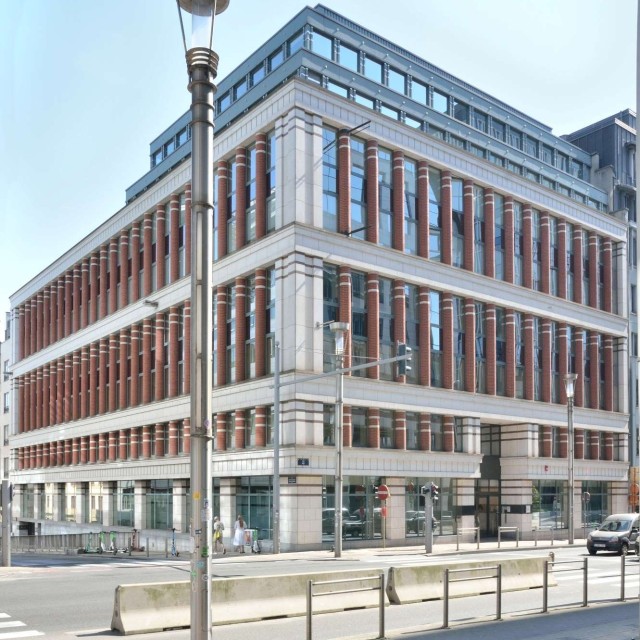
Second opinion study for the BMA and Urban.brussels.
RECAST partner: 51N4E, M-gineers, Greisch
What services does RECAST offer?
We offer a number of service packages to help you determine which renovation scenario is right for your building.
1 Orientation study
A high-level analysis of the building. An initial projection of the possibilities, an orientation of what could be a useful study, to avoid unnecessary costs.
2 Feasibility study
Based on a thorough analysis, a horizon plan is drawn up that serves as a solid basis for the start of a project. This horizon plan is at a similar level to a sketch design.
3 Reconversion project
The entire process from preliminary study to implementation of a reconversion project.
How does RECAST assess the most benificial renovation?
A meaningful refurbishment project seeks to balance the lowest cost, the highest comfort and the minimal impact on the climate and the environment. The following studies provide you with an objective approach to make this evaluation.
1. Climate
With the following studies RECAST evaluates the climate impact of the project during design, execution and operation. We assess impacts of interventions related to material choices, energy requirements and energy generation, helping to make the right sustainable choices.
Energy consumption
Our heat loss calculation provides normative, detailed analyses to improve energy efficiency during operation. We calculate heat loss by evaluating insulation, ventilation and structural components, taking into account available consumption data, specific standards and regulations. This enables you to reduce energy losses and save costs with the right interventions. Our collaboration offers accurate building-specific calculations and advice, allowing you to meet energy performance requirements.
LCA Analysis
In a Life Cycle Assessment (LCA) study, we analyse the climate impacts (including CO2 consumption) of a project over its entire life cycle. This includes every phase: from raw material extraction, production, distribution, use, to waste disposal. Through detailed assessments of these aspects, we identify key opportunities for environmental improvements. RECAST provides unique tools and on-the-field expertise to make more sustainable choices and reduce your ecological footprint.
Audit EU-Taxonomy
We provide insights into European legislation on EU taxonomy and ensure alignment throughout the process. If necessary, the design will be adjusted in light of new insights or legislation. Additionally, we provide supporting documents for the assessor in the context of CSRD reporting. We closely monitor the evolution of legislation and share our expertise with governmental institutions, with whom we maintain direct dialogue.
Material inventory and passport
From a BIM model of the existing building, we can extract data that enables us to create an inventory of the materials present in the building. This information is crucial for analysing potential preservation, circular use, and recycling opportunities for the materials.
Transformation-oriented building
Transformation-oriented construction focuses on the flexibility and adaptability of buildings to meet future needs. This includes the principle of polyvalency, where spaces can serve multiple functions, and the concept of thinking in layers, where different building elements can be individually adapted or renewed. This approach allows buildings to remain sustainable and efficient, regardless of changing circumstances.
2. Cost
In the following studies, RECAST focuses on minimising costs while simultaneously reducing financial risks.
Total cost of ownership
Through a Total Cost of Ownership (TCO) calculation, we provide insight into the total cost of the proposed renovation over the lifespan of the project. This provides direction for sustainable and cost-effective decisions. With our daily on-site and project experience, we have an extensive and up-to-date database of market prices.
Lifecycle Analysis
We carry out an objective assessment of the condition of all building components (architecture, structure, techniques), giving you an insight into the components to be renovated, clearly presented on a timeline.
Matchmaking between building and occupancy
We evaluate different programs based on the existing condition and the necessary interventions. We also look at the long term, studying the suitability and adaptability of potential future changes in function, and clearly map everything out.
Risk assessment
We review the planning context, legal and regulatory framework, fire safety and structural parameters to limit risk in a potential purchase or sale.
Construction Cost Analysis
We make a realistic estimation of the cost structure based on both a networked database and market benchmarking.
Phasing and site in use
We develop a viable renovation plan that avoids or minimises vacancy, ensuring continuity of use. Experience shows that the organisation of an occupied site can be a determining factor in the financial feasibility of a project.
3. Comfort
RECAST facilitates highly integrated spatial-technical design by architects and engineers, where technical comfort and spatial quality come together in sustainable and innovative solutions.
Ventilation and heating solutions with limited height
To optimise ceiling height, ventilation and heating solutions are developed through a cross-section analysis. We provide insights into the spatial integration, efficiency, and performance of various systems within compact structures.
Overheating and daylight
We use daylight studies to compare different programme layouts and technical concepts to find the balance between comfort and cost optimisation.
Accessibility
We analyse the building's compliance with current accessibility requirements and help find solutions to improve accessibility.
Dynamic simulations
We use dynamic simulations to analyse the performance of buildings under varying conditions regarding temperature, energy consumption, and comfort. This helps to make design decisions based on energy efficiency and expected climate changes.
GRO analysis
Our in-depth knowledge of GRO allows us to perform comprehensive analysis of components, which can also be applied to other certification methods.
Looking for balance
At RECAST, we weigh the benefits of comfort against the budget and the environmental impact for every key design decision or material choice.
Comfort
More comfort
Less comfort
CO2
Less CO2
More CO2
Cost
Lower cost
Higher cost
A sustainable renovation aims for a balance between adequate comfort, minimal environmental impact, and the financial feasibility of the intervention.
Comfort in buildings is an important parameter in making them high-quality and future proof. We use the GRO tool as a guideline to measure comfort.
To limit the impact on the climate, we aim to minimize CO2 emissions over the building’s lifecycle. We use specialised LCA software to calculate these emissions.
A sustainable intervention is also an affordable one. We consider not only at the initial cost of construction, but also the future costs that will arise.
In the design process, we balance these parameters against each other. It is important not to focus on a single element, but to continually explore the relation between the three. Where the triangle stretched between the axes, is largest, we achieve a sustainable renovation.
What is our mission?
RECAST aims to make the building stock more sustainable on a large scale. We do this on a project-by-project basis with tangible renovation projects. It is a collaborative platform that brings together the knowledge of all stakeholders: designers, engineers, developers, contractors, policy makers, investors, and building owners. Our starting point is to maximise the conservation of the building and to minimise its impact on the climate, with a particular focus on embodied and operational carbon.
Value and connection are key.
We revalue existing buildings by seeking the right balance between comfort and profit, sustainability and preservation. We do not limit ourselves to the building and its surroundings. Decisions and choices are made together, within a framework that considers the impact on users, stakeholder needs and the environment.
Respectful dialogue, connection and collaboration between different parties is central to expanding our knowledge of re-use, potential building occupants, sustainability and maximum preservation. Through this broad interdisciplinary dialogue, we continue pushing forward in our pursuit of quality.
51N4E
51N4E is an international design practice working on transformation. This means we start from the opportunities and challenges within the existing and strive to activate values, give meaning and create new experiences. Design in dialogue is used as a tool to overcome opposition and enable socio-spatial transformation. Over the past 25 years 51N4E has built up expertise across scales in projects such as Skanderbeg Square in Tirana, the hybrid high-rise ZIN in Brussels, Test Site Istanbul, a masterplan framework for the Antwerp ring road environment, a housing vision for Bordeaux or the River bank masterplan in Strasbourg. Today 80 people strong, 51N4E embodies a diverse group of people across age and origin with a strong believe in the power of the collective to enable change.
M-gineers
At M-gineers, we are building the future with respect for the past. Our mission is to create integrated and affordable solutions that make the existing building stock more sustainable. With a strong focus on both embodied and operational carbon, we contribute maximally to climate goals.
We approach each project from a unique combination of our engineering disciplines: MEP engineering, structural engineering, sustainability, and acoustics. This multidisciplinary approach enables us to create a future-proof technical puzzle that leads to optimal results.
M-gineers’ holistic approach ensures not only optimal control and a short project timeline, but also maximum value creation. This is based on three key pillars: Legacy (valuing existing buildings and the energy of previous generations), Urgency (taking action to reduce CO2 emissions, balancing CAPEX and OPEX), and Surgery (targeted interventions based on technical expertise).
From our strategic locations in Leuven, Tessenderlo, Antwerp, and Brussels, our 70 experts work on construction projects that have a positive impact on people, the environment, and society.
Website by EPRC